14شرح النظم الصغير في أصول الفقه - نظم وشرح/ عامر بهجت
0:10
Subscribe to the channel
اشتركوا في القناة
0:31
In this lesson, we will cover the pillars of analogy.
هذا الدرس نأخذ فيه أركان القياس
0:38
Analogy has four pillars, as the scholars have mentioned. Who are the scholars? The people of knowledge? The people of knowledge.
القياس لأوه أربعة أركان ذكرها الأجلة من هو الأجلة؟ أهل العلم؟ أهل العلم
0:44
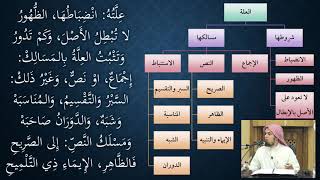
First, the case being compared; second, the original case; third, the ruling; fourth, the effective cause.
أولا الفرع ثانيا الأصل ثالثا حكم رابعا العلة
0:52
The original case should come first, so we say: the pillars of analogy are the original case and the new case,
الأصل أن يقدم الأصل فيقال أركان القياس الأصل والفرع
0:59
the ruling, and the effective cause. But the versifier said, “new case, original case, ruling, effective cause.” Why did he put the new case before the original?
والحكم والعلة لكن الناظماء قال فرع وأصل حكم هو العل لماذا قدم الفرع على الأصل
1:10
Because it is the case whose ruling is being sought. All right, but there is another reason.
لأنه هو الذي يطلب حكمه طيب لكن هو لسبب آخر
1:20
Because the new case is attached to the original. All right, anything else?
لأن الفرع يحق بالأصل طيب غيره
1:26
He put the new case first and delayed the original so the pronoun in “its ruling” would refer to the original case.
قدم الفرع وأخر الأصل ليرد الضمير في الحكم إلى الأصل
1:34
Because the ruling that is one of the pillars of analogy is the ruling of the original case, not the ruling of the new case.
لأن الحكم الذي هو ركن من أركان القياس هو حكم الأصل وليس حكم الفرع
1:41
The ruling of the new case is the result of analogy, while the ruling of the original case is a pillar of analogy.
حكم الفرع ثمرة القياس وحكم الأصل ركن في القياس
1:47
If I said “original case and new case,” we could not make the pronoun refer to the original case.
فلو قلت أصل وفرع ما استطعنا أن نرد الضمير إلى الأصل
1:54
The ruling would remain ambiguous, so we say, “new case, original case, its ruling”—meaning the ruling of the original case—and the effective cause.
فنبقي الحكم مبهما فقلنا لا فرع وأصل حكمه يعني حكم الأصل والعلة
2:01
For example, we have this new drink,
مثال عندنا المشروب هذا الجديد
2:06
which they invented. Suppose they invented a drink unknown to the Arabs.
الذي اخترعوه مثلا اخترعوا مشروبا ما تعرفه العرب
2:14
Someone says, “I won’t call it wine, and there is no text about it.” We also have wine, which the Arabs know.
واحد يقول ما أسميه خمر ولا ورد فيه دليل وعندنا الخمر الذي تعرفه العرب
2:21
The evidence in the Quran and Sunnah indicates that wine is forbidden. Now, this drink...
الدليل في القرآن والسنة دل على تحريم الخمر طيب هذا المشروب
2:26
The new drink is the case being compared, and wine is the original case. Right? The new drink...
فرع الخمر أصل طيب والمشروب الجديد
2:33
is the new case, and the prohibition of wine is the ruling. Exactly.
فرع وتحريم الخمر هو الحكم تمام
2:39
And the common factor, which is intoxication, is the effective cause. That covers the new case, the original case, the ruling, and the effective cause.
والجامع اللي هو الإسكار العلة هذا بالنسبة للفرع والأصل والحكم والإلة
2:47
He began explaining the conditions for each of them, starting with the original case because it deserves precedence.
بدأ في بيان شرط كل واحد منها فبدأ بشرط الأصل لأن حقه التقديم
2:54
He mentioned three conditions for the original case. The first: he said, “The condition for the original case”—what is meant here is its ruling.
فذكر ثلاثة شروط للأصل الشرط الأول قال وشرط الأصل والمراد هنا حكمه
3:03
It is said that these are conditions for the original case, and sometimes they are said to be conditions for the ruling of the original case.
الأصل يقال أنها شروط للأصل ويقال أحيانا أنها شروط لحكم الأصل
3:09
The first is that its meaning be rationally understood. He said, “The condition for the original case is that its meaning be rationally understood.”
أولها العقل للمعاني قال وشرط الأصل العقل للمعاني
3:15
Analogy is valid only if the original case has an intelligible rationale.
فلا يصح القياس إلا إذا كان الأصل معقول المعنى
3:21
Unlike its opposite, the devotional ruling; analogy cannot be applied to devotional rulings.
خلاف عكسه التعبدي فالتعبدي لا يصح القياس عليه
3:28
Suppose someone says the noon prayer is four units.
لو قال قائل صلاة الظهر أربع ركعات
3:33
Then we analogize to it and say circumambulating the Kaaba can be done in four circuits. What do you think?
فيقاس عليها الطواف بالبيت فيجسئ فيه أربعة أشواط ما رأيك؟
3:40
That is invalid, because analogy requires the ruling’s meaning to be rationally understood, and this meaning is not. Clear?
لا يصح لأن القياس شرطه العقل المعاني وهذا غير معقول المعنى واضح
3:47
Suppose someone says ablution is invalidated by eating camel liver, by analogy with its meat.
لو قال قائل ينتقض الوضوء بأكل كبد الإبل قياسا على لحمه
3:55
We say no, that is invalid, because ablution being invalidated by camel meat is devotional; its reason is not understood. Clear?
نقول لا لا يصح لأن نقض الوضوء بلحم الإبل تعبدي لا يعقل معناه واضح
4:03
The second condition is that the original ruling be established and not abrogated.
الشرط الثاني إحكامه أن يكون فكم الأصل محكما غير منسوخ
4:11
Established and not abrogated means it remains in force. So analogy cannot be based on an abrogated ruling.
محكم غير منسوخ يعني ثابت وليس بمنسوخ فلا يصح القياس على المنسوخ
4:17
God Almighty said: “As for those of your women who commit indecency...”
قال الله عز وجل فولاتي يأتينا الفاحشة من نسائكم
4:21
“...call four witnesses from among you. If they testify, confine them to their homes until death takes them or God provides them a way.” God thus prescribed confinement at home until death as the punishment for an adulteress.
فاستشهدوا علينا أربعة منكم فإن شهدوا فأمسكوهن بالبيوت حتى يتوفاهن الموت أو يجعل الله لهم سبيله فذكر الله عقوبة الزانية الحبس في البيت حتى الموت
4:34
Then someone comes along and says: Can we analogize confining an adulterer to the confinement of an adulteress?
فيأتي واحد يقول يقاس على حبس الزانية حبس الزاني الرجل قياسا على المرأة صح؟
4:41
We say that is wrong, because you are analogizing from a ruling that has already been abrogated. This verse was abrogated by God’s words: “The adulteress and the adulterer—flog each of them...”
يقول غلط لأنك تقيس على حكم منسوخ أصلا فهذه الآية منسوخة بقول الله عز وجل وزاني تجلد كل واحد من المواضح
4:49
The third condition is that it be established by something other than analogy.
الثالث أن يكون ثابتا بغير القياس
4:54
He says that being established means it is established without another analogy. If a ruling is established by analogy, you cannot analogize from it.
يقول إحكامه يعني ثابت لا بقياس ثاني فإن كان الحكم ثابتا بقياس فلا يصح أن تقيس على ما ثبت بالقياس
처음 5분까지만 무료로 볼 수 있어요. 이어서 보려면 앱이나 확장 프로그램을 설치하세요.
다운로드


다른 언어로 요청하기