النظم البين في الفقه المتعين03 شروط الوضوء
0:00
Peace be upon you and God's mercy and blessings. In the name of God, the Most Gracious, the Most Merciful.
السلام عليكم ورحمة الله وبركاته بسم الله الرحمن
0:04
All praise is due to God, and may peace and blessings be upon our Prophet Muhammad, his family, and all his companions. Now, we continue with the clear system in the obligatory jurisprudence.
الرحيم الحمد لله وصلى الله وسلم على نبينا محمد وعلى آله وصحبه أجمعين أما بعد فما زلنا مع النظم البين في الفقه المتعين
0:17
And I would like, before we begin, to remind you, O youth, O students, O esteemed ones.
وأحب قبل أن نبدأ أن أذكركم أيها الشباب أيها الطلاب أيها الأفاضل
0:25
O seekers of knowledge, I remind you to continuously review your studies.
يا طلبة العلم أذكركم بدوام مراجعة العلم
0:30
Knowledge is not attained by mere wish; you must repeat and take your time.
العلم لا ينال بالتمني عليك بالتكرار والتأني
0:35
You have now reached the third lesson; you should be proficient in the previous verses.
أنت وصلت الآن الدرس الثالث ينبغي أن تكون متقنا للأبيات السابقة
0:42
Memorize and understand, my dear friends; do not be lazy or neglect the lesson.
حفظا وفهما خليلي لا تكسل ولا تهمل الدرس
0:47
And do not willingly allow your soul to be idle, nor abandon the repetition of what you have memorized.
ولا تعطي طوعا من بطالتها النفس ولا تترك التكرار فيما حفظته
0:53
For whoever abandons repetition will inevitably forget.
فمن ترك التكرار لا بد أن ينسى
0:57
What are the previous verses? Recall them.
الأبيات السابقة ما هي؟ استذكروها
1:01
By the grace of my Lord, who, if He wishes good for His servant, grants him understanding. I begin, and may God's peace be upon the Prophet, the teacher of the rulings.
بحمد ربي الذي إن يردي بعبده خيرا يفقه ابتدي ثم صلاة الله مع سلامي على النبي معلم الأحكام
1:10
And now, jurisprudence is divided into two categories: communal obligation and individual obligation. Here is a clear and understandable composition regarding the latter.
وبعد فالفقه على قسميني فرض كفاية وفرض عيني فهاك في ثانيهما منظومة واضحة واضحة مفهومة
1:20
The chapter on purification is now the beginning of the intended discussion.
باب الطهارة هذا الآن هو الشروع في المقصود
1:26
This is the beginning of the intended discussion about jurisprudential issues, and the poet has started first with the chapter on purification.
هذا هو الشروع في المقصود من الكلام عن المسائل الفقهية وقد بدأ الناظم أولا بباب الطهارة
1:36
Scholars usually divide books, so you will find that information comes to you categorized.
بدأ بباب العلماء عادة يقسمون الكتب فتجد إن المعلومات تأتيك مقسمة
1:44
For example, sometimes they say the book of purification.
فيذكرون مثلا أحيانا يقولون كتاب كتاب الطهارة
1:51
Why do they say the book of purification? It is a large book; they tell you it is not a small book.
ليش يقول كتاب الطهارة يكون كتاب كبير يقولك كتاب لم يكون كتاب
1:59
It is large and contains various issues, so they first mention a book, and then they mention under the book what? A chapter.
كبير فيه مساء المتفرع يجب لك أولا كتاب ثم بعد ذلك يذكروا تحت الكتاب بايش? باب.
2:06
A chapter. Then under the chapter, what do they mention? Huh?
باب. ثم بعد تحت الباب ايش يذكر? ها?
2:13
Under the chapter, they mention? Huh? A section. A section.
تحت الباب يذكر? ها? فصل. فصل.
2:19
I am just what? I am just enjoying writing beautifully. What is this section? This is a beautiful beginning.
انا بس ايش قاعد? اتفنن بخط الجميل. ما شرى فصل هذه طلعة تلاب أسفل.
2:26
The point is that they divide a book into chapters and then sections.
المقصود تجد انه يقسمون كتاب ثم باب ثم فصل.
2:32
Then under the section, they may mention an issue or a branch, and so on.
ثم تحت الفصل قد يذكرون مسألة أو فرع وما إلى ذلك
2:36
But this composition, because it is brief, did not mention the issue of the book; it went straight from what? Starting from the chapter to the section, and the poet said, may God forgive him, the chapter on purification.
لكن هذا النظم لأنه قصير لم يذكر قضية كتاب خلها على طول من إيش ابتداء من باب ثم فصل فقال النظم غفر الله له باب الطهارة
2:47
The chapter, then, is originally the known chapter through which one enters from one place to another.
الباب إذن في الأصل هو الباب المعروف الذي يدخل منه مكان لمكان
2:56
The door is originally the known door through which one enters from one place to another.
ويكون دخول حسي لكن الباب في الكتب
3:01
And it is a physical entry, but the door in books
هو دخول معنوي يعني دخول إلى موضوع معنوي ما هو دخول حسي
3:06
is a metaphorical entry, meaning entry into a conceptual subject, not a physical entry.
طيب وتحت ويدكرون فصلا فهنا ذكر باب باب الوضو
3:12
Okay, and below they mention a chapter, here it mentions the chapter of ablution.
ما الذي في هذا باب الطهارة وفصل في الوضو
3:16
So we have purity because it falls under purity, it falls under ablution.
إذن عندنا الطهارة لأنه يدخل تحت الطهارة يدخل تحتها الوضو
3:20
So we have purification because it falls under purification, which includes ablution.
ويدخل تحتها الغسل ويدخل تحتها بعض المسائل المتفرقة في الكتب الطويلة غير الوضوغ والغسل عنده مزالة النجاسة وكذا
3:30
This is the chapter on purification, after that under the chapter on purification we have a section.
هذا باب الطهارة بعد ذلك تحت باب الطهارة عندنا فصل
3:35
This is the chapter of purification, then under the chapter of purification we have a section.
هذا الفصل في أحكام الوضوء قال باب
3:39
This section is about the rulings of ablution, it says the chapter
الطهارة وفصل في الوضوء فيه الشروط ثم ما يفترض النية العقل مع الإسلام ماء طهور من سوى الحرام
3:50
of purification and a section on ablution, which includes the conditions and what is required, the intention, reason, and pure water other than what is forbidden.
إزالة المانع من وصوله وهكذا الخارج من سبيله
3:57
Removing the barrier to its reach, and likewise what exits from its pathway.
إذن عندنا فصل في الوضوء أصل الكلمة في الوضوء أصل الكلمة في الوضوء هذه الهمزة في الراحت
4:06
So we have a section on ablution, the origin of the word in ablution, the origin of the word in ablution, this hamzah in the comfort.
هذه الهمزة ذهبت ذهبت وحذفت تسهيلاً في الوضوء تسهيلاً وهذا موجود في اللغة العربية
4:15
This hamzah has gone, it has been omitted for ease in ablution, and this is found in the Arabic language.
فيه هذا الباب اللي هو باب فيه يعني في إيش في فصل الوضوء الكلام عن ما يأتي أولاً الشروط شروط الوضوء
4:27
In this chapter, which is a chapter about, I mean, in the section on ablution, the discussion is about what comes first, the conditions of ablution.
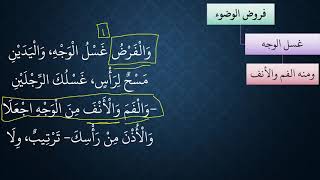
ثانياً ما يفترض في الوضوء أي فروض الوضوء
4:33
Secondly, what is required in ablution, that is, the obligations of ablution.
ثم ثألثا إن شاء الله سيأتي معنا اللي هي واجبات الوضوء طيب فين السنة المستحبات الآداب
4:40
We did not mention this because of our condition.
هذه لم نذكرها لأن شرطنا أيش
4:44
The specific jurisprudence that every Muslim must learn is that you must know the conditions of ablution.
الفقه المتعين الذي يجب على كل مسلم أن يتعلمه فلابد أن تعرف شروط الوضوء
4:52
And you must know the obligations of ablution. What are the conditions now? The conditions, the first thing is the conditions. What are the conditions now?
ولابد أن تعرف فروض الوضوء ما هي شروط الآن فيه الشروط أول شيء هي الشروط ما هي الشروط الآن
처음 5분까지만 무료로 볼 수 있어요. 이어서 보려면 앱이나 확장 프로그램을 설치하세요.
다운로드



다른 언어로 요청하기